My first reaction is, “So sorry! How are you going to survive!” However, after a moment of reflection I think, “Wonderful, I will get your full and complete attention and maybe we can have a real and meaningful connection and conversation, I will enjoy really getting to know you and we will connect in a deeper, more meaningful way during this period of loss!”
I have become disappointed and disillusioned as to how the cell phone, affectionately known as a “smart phone,” has contributed to the sabotage of many relationships. How often have you been out at a restaurant and watched a couple, both with their heads down looking at their cell; a family with everyone looking at their cell, dinners being interrupted because someone needs to check emails or text messages; or at a social gathering talking with someone when they hear a text or an email coming in and they stop engaging with you to check their phone—which, 99.9 percent of the time is not critical.
When out with your partner on DATE NIGHT, do you bring your cell phone along and constantly check messages when the primary purpose was to have that focus on your partner? (There are always circumstances that I will give a pass to but, really, if you are in a setting that is important to those involved, turn off your phone, or leave it in the car.) I have started doing just that and it has changed my connectivity significantly: I am more relaxed and I’ve enhanced my listening and communication skills.
Remember, actions speak volumes.
I’d like to share something I came across in The Power of Productivity: Wealth, Poverty, and the Threat to Global Stability, by William W. Lewis: “If you want to know someone’s mind, listen to their words. If you want to know their heart, watch their actions.”
If we have not completely lost the “art of communication,” we are quickly losing our ability to have meaningful, thoughtful and significant communications.
It is interesting to reflect on past conversations that I felt were meaningful and great. There were a few key attributes that made them great and led to additional meaningful conversations and changed the depth of the relationship. Those attributes are:
- It is intentional, not casual, not filled with one-word response questions;
- It is focused, listening beyond the words to the feelings and meaning behind what is being said;
- Both parties respond for affirmation, or clarification. This leads into the next attribute of good listening—good conversation is give and take;
- It is a volley of give and take without judgement and criticism, but out of interest for understanding (which is different than agreeing);
- It was not about me, there are always times that talking about yourself is appropriate, but never forget that the other person is the most important person in the conversation. Stop and catch yourself from overly using “me or I”;
- Remember you do not always have to agree, but you do have to be respectful of the other person’s perspective—the substance as to why they feel as they do;
- Respect the other person’s position as this can create wonderful and interesting conversations that may simply end in agreeing to disagree. You have gotten to know more about the soul of the person; all good outcomes;
- As a result of a good give and take volley you may discover you have changed your position on an issue as a result of new insight gained from thoughtful conversation. You may discover that you were wrong, and can affirm the other person for this change in your position. What an affirming connecting outcome that creates!
In her book, The Art of Civilized Conversation: A Guide to Expressing Yourself with Style and  Grace, Margaret Shepherd says:
“I’m not necessarily against all the new ways to communicate but I feel I have to speak up and advocate, yes, (communicating) face to face and out loud, and following certain rules of communication is really still worth the time.”
I have learned that If the relationship is important, if I care about the person or group I am with, if I desire to really get to know who someone is and to listen intently for meaning and understanding then I can “lose my phone” for that period of time. I am amazed how this can affect a relationship and understanding those around me in a deeper and more impactful way.
 something in the camper that he wanted. I, being an active, athletic young kid, volunteered to run back for the item and asked for the keys to the camper. I was eager to dash off, but my dad told me to stop so he could explain the trickiness of the lock. I impatiently listened (well, pretended I was listening) to his instructions. “I got it,” I said (as I have been reminded of dozens of times), “what do you think I am, a dumb kid or something? I got it!” I quickly ran off and, as you can guess, this did not turn out well. I could not get the lock open and sheepishly ran back for help. I felt foolish, was embarrassed, and guilty as charged. My dad said little and just gave me a look (his look) that said all that needed to be said, “You should have listened!”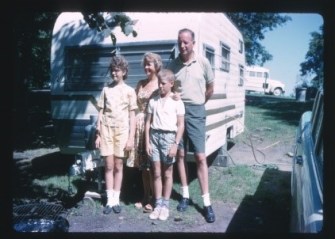
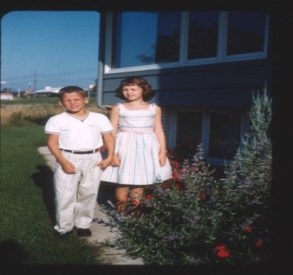 sharp knives were. Mom would say, “Be careful, there are some sharp knives in there!” I would respond with a flippant, “I know!” when what I meant to say was “What do you think I am, a dumb kid or something?” Most times I was successful in navigating blindly through the soapy water yet, at times—with too much confidence and little regard to Mom’s loving reminder—there would be a jab and cut of the hand. I would yell for help which arrived a bit slow with a glancing look that said, “I told you to be careful.”
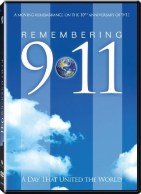 where the World Trade Center towers once stood. During my visit, I came across this book,
  I remember, like it was yesterday, the day I was sitting with Dad in my parents’ home in Roseville and he asked if I would speak at his funeral. I was overwhelmed with the honor and at the same time the terror of such a task at a time of such emotional turbulence. How could I say no as this is something that few are granted, to personally be asked before a loved one’s death. The letter I gave my dad became the foundation of my talk at his funeral. As I re-read the letter I found the deep emotions of his loss surface along with the wonderful memories that sometimes fade over time. The letter brought back into clarity these important memories and the power of the written word as it kept my memories and feelings alive in my heart and fresh in my mind.
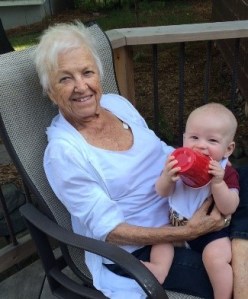 The memories of my trip to NYC, lunch with Rev. Wigdahl, and the time with Mom sitting on the balcony reminiscing about her life with Dad helped me be thankful for my life and the greatness of my memories, both the good ones and those of events I wish had not occurred. I am reminded that I was blessed as a child growing up. I was blessed during the years my own children grew and developed. I remember the wonderful times of our family camping trips and experiences and of being engaged in my children’s activities and their career development as they grew up and matured to become the great young adults they are today.
 Ramblings from Bob Strommen